Tooth decay is an infection that occurs when the enamel on a tooth is damaged by acids produced by bacteria in the mouth. Over time, this can lead to cavities, pain, and even tooth loss if left untreated.
Several types of bacteria naturally live on the teeth and feed on sugars from foods and drinks. As they metabolize the sugar, they produce acids that erode tooth enamel, creating cavities. Early Childhood Caries (ECC), previously called 'infant tooth decay,' can occur when babies fall asleep with milk, formula, or juice in their mouths. The sugars remain in contact with teeth for prolonged periods, increasing the risk of decay.
Preventing tooth decay starts with good oral hygiene and healthy habits, even for young children. Here are some tips to reduce the risk of cavities:
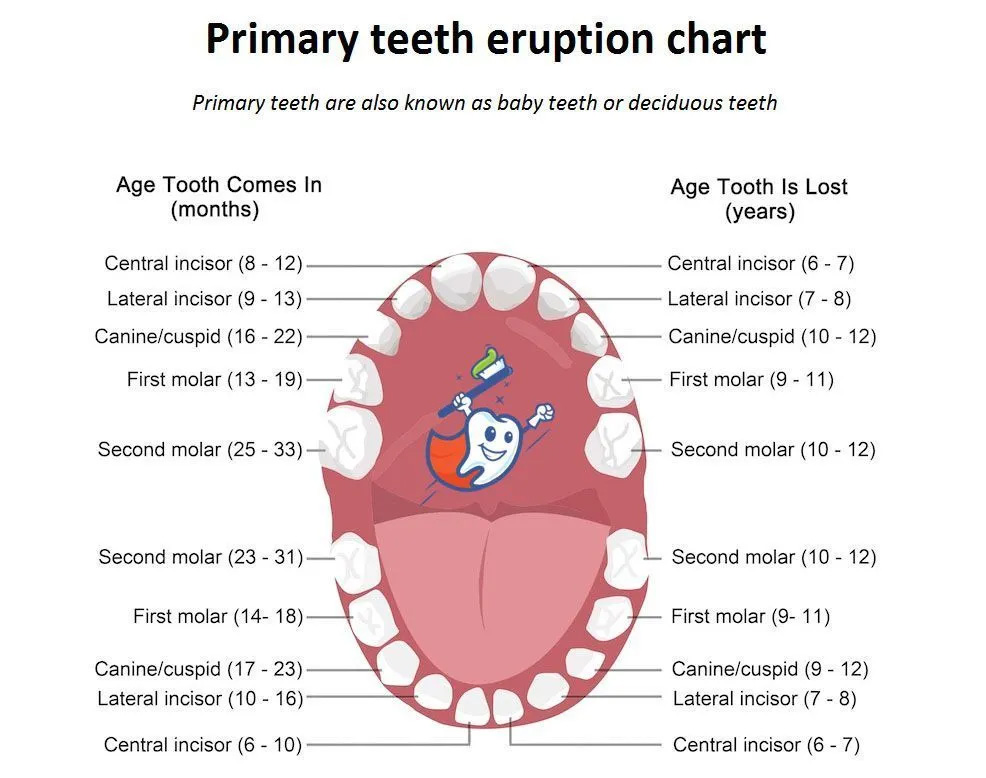
Teething is different for every baby. Primary teeth usually begin to erupt anywhere between six and eight months of age. Typically, the lower front (anterior) teeth appear first, followed by the upper front teeth. The remaining baby teeth often come in gradually, usually in pairs along the sides of the jaw, until your child is about two-and-a-half years old.
By the time children reach five or six years old, their permanent teeth should begin to erupt. Don’t worry if your child's teeth appear slightly earlier or later than others—every child develops at their own pace!
Baby teeth play an essential role in chewing, biting, speech, and appearance. They also hold space for permanent teeth, helping ensure a proper bite and healthy smile as your child grows.
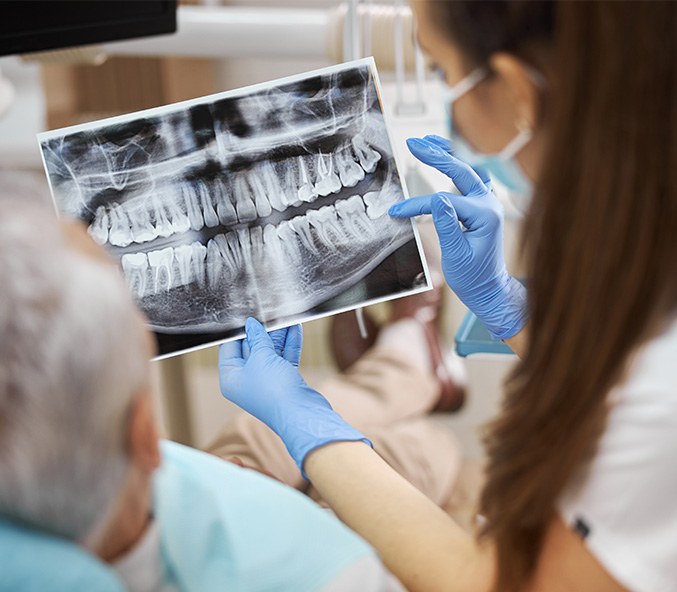
It’s important for your child to receive dental radiographs (X-rays) as part of their regular dental exam. These X-rays provide essential information that cannot be obtained through a visual examination alone. Without them, certain dental issues may go unnoticed.
Radiographs give us a detailed look at your child’s oral health beyond just cavities. They help monitor the emergence of teeth, diagnose bone conditions, evaluate the impact of injuries, and assist in planning orthodontic treatment. Detecting problems early allows for more effective and cost-efficient care for both you and your child.
Pediatric dentists take extra precautions to minimize radiation exposure during dental X-rays. The amount of radiation is very small, making the risk negligible compared to the potential consequences of untreated dental issues. To protect your child, we use lead aprons and shields, high-speed film, and equipment designed to focus the X-ray beam only where it is needed.
The American Academy of Pediatric Dentistry recommends that children at higher risk for tooth decay receive radiographs and dental exams every six months. For most children, X-rays are typically taken once a year. A complete set of radiographs, such as a panoramic and bitewings or periapical and bitewings, is generally recommended approximately every three years.

Good oral hygiene habits should start as soon as your child's first tooth appears! Use a small, pea-sized amount of fluoride toothpaste. Once your child is around 4 or 5 years old, they can begin brushing on their own, but supervision is recommended until they are about 7 or 8 to ensure proper technique. Every child develops differently, so your dentist can provide guidance on when your child is ready to take over their own brushing.
Proper brushing is key to maintaining healthy teeth. Hold the toothbrush at a 45-degree angle to the gum line and use a soft-bristle brush. Move in gentle, circular motions along both the outer and inner surfaces of each tooth. Be sure to brush the chewing surfaces and finish by brushing the tongue to remove bacteria and help keep breath fresh.
Even after your child starts brushing independently, supervision ensures they are doing a thorough job. Encourage them to brush all surfaces of their teeth and to take their time. Reinforcing these habits early helps create a lifetime of good dental care.
Flossing removes plaque and food particles that brushing alone cannot reach. Begin flossing when your child's teeth start to touch each other. Use about 18 inches of floss, wrapping most around your middle fingers and holding it lightly with your thumbs and forefingers. Slide the floss gently between teeth, curving it into a C-shape against each tooth, and remember to clean the back of the last four teeth. Floss every tooth to ensure complete cleaning.