Our Office
2615 West 24th St.
Plainview, TX 79072
Existing Patients: (806) 296-6057
New Patients: (806) 217-7472
Visit Us Online

A healthy smile is more than an attractive feature — it’s the result of teeth and jaws that work together in balance. Many people are born with well-aligned bites, but others develop crowding, spacing, or bite differences because of extractions, persistent oral habits, or variations in jaw growth. Orthodontic care looks beyond simple cosmetic changes and often addresses underlying functional and skeletal concerns to create a long-lasting, comfortable outcome.
Orthodontic treatment relies on carefully designed appliances that apply gentle, controlled forces to shift teeth and guide jaw growth when needed. Today's options range from traditional fixed braces to nearly invisible systems, and each approach is tailored to the anatomy and goals of the individual. The right plan moves teeth predictably while protecting gum and bone health.
At Texas Super Smiles for Kids, our approach emphasizes both form and function. We evaluate each smile for its aesthetic qualities as well as how effectively it supports chewing, speech, and the long-term health of the teeth and supporting structures. This balanced perspective helps us deliver results that are attractive, stable, and suited to each patient’s lifestyle.
Straight teeth are easier to keep clean, which directly reduces the risk of cavities and gum disease. When teeth line up correctly, brushing and flossing remove plaque more effectively; there are fewer areas where food and bacteria can hide. Over time, improved oral hygiene supports lasting dental health and reduces the need for future restorative work.
Correct alignment also protects teeth from excessive wear and reduces the chance of accidental injury. Teeth that protrude or sit outside the protective line of the lips are more vulnerable to trauma. A stable bite distributes chewing forces evenly, which helps preserve enamel and prevent the uneven wear that can lead to sensitivity and fractures.
Finally, a well-aligned bite supports comfortable jaw movement and the health of the temporomandibular joints. When the bite is off, people can experience headaches, jaw soreness, clicking, or difficulty opening the mouth. Addressing the underlying alignment can ease these symptoms and contribute to overall comfort and function.

An individualized orthodontic plan begins with a comprehensive evaluation. We look at tooth positions, jaw relationships, facial balance, and the condition of the gums and bone. For children, monitoring development is essential: timely intervention can guide jaw growth and prevent more complex problems later. For adults, a full assessment ensures underlying dental issues are addressed before movement begins.
Treatment choices are influenced by the severity of the bite discrepancy, the amount of crowding or spacing, and whether any supportive appliances will be needed. We consider the patient’s health history, oral hygiene habits, and daily routines to recommend solutions that are practical and achievable. In some cases, a phased approach—starting with limited treatment and followed by comprehensive care—delivers the most efficient and comfortable result.
Patient cooperation is a key part of success. Whether the plan uses fixed braces, removable appliances, or clear aligners, following care instructions, maintaining oral hygiene, and attending scheduled check-ins all help ensure predictable, timely progress. Our team provides clear guidance and close monitoring so families and adult patients feel confident throughout treatment.
Orthodontics has changed dramatically in recent years. Brackets are smaller and more refined, and new materials and designs reduce discomfort and make appliances more discreet. Digital tools — including intraoral scanning and three-dimensional treatment planning — help clinicians visualize final outcomes and craft highly accurate movement sequences for each patient.
Clear aligner systems have transformed how many people approach tooth movement. Custom-made and replaced in series, aligners move teeth incrementally and are removable for eating and oral hygiene. For image-conscious teens and adults seeking a low-profile option, aligners provide a convenient way to straighten teeth while minimizing impact on daily life.
Other innovations such as ceramic or tooth-colored brackets, lingual braces that sit behind the teeth, self-ligating hardware, temporary anchorage devices, and accelerative techniques expand our ability to solve complex problems with a patient-centered focus. These tools allow us to select the method that best balances treatment goals, comfort, and predictability.

Whether using aligners or fixed appliances, the process is based on gradual, controlled tooth movement. Aligners are typically changed every one to two weeks according to a prescribed schedule, while braces are adjusted periodically to continue progress. Both methods require routine visits so the team can verify movement, make adjustments, and address any concerns.
Each approach has advantages depending on the case. Braces remain the most efficient option for certain types of movement or more severe bite corrections. Aligners offer convenience and aesthetics but depend on consistent wear to produce the intended outcome. We’ll recommend the solution that aligns with the clinical needs and the patient’s daily life.
Advanced imaging and digital workflows allow us to simulate treatment outcomes and communicate expectations clearly. This transparency helps patients understand the phases of care, the anticipated timeline, and the steps needed to protect oral health during treatment.

The final step in orthodontic care is retention — the phase that protects the new tooth positions. After active movement, retainers provide the support needed for the tissues and fibers around the teeth to adapt to their new arrangement. Wearing retainers as prescribed is the most reliable way to maintain alignment over time.
Even with excellent results, teeth can drift for many reasons, including natural aging, changes in oral habits, or forces from chewing and tongue posture. Routine dental care and regular checkups help catch early signs of relapse and allow for prompt, minimally invasive solutions. Good oral hygiene during and after treatment also preserves the health of teeth and gums for years to come.
Orthodontic care is an investment in lasting oral function and confidence. While treatment requires time and dedication, the improvements in comfort, dental health, and self-assurance are enduring. Our team supports patients at every step — from the initial consultation through retention — to help protect that investment for the long term.
If you’d like to learn more about orthodontic options for your child or yourself, contact us for more information and a personalized consultation. We’re here to explain choices, answer questions, and help you decide on a path that fits your needs and goals.
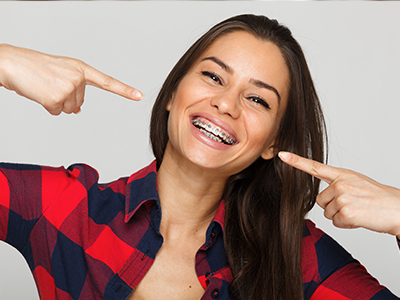
Orthodontic treatment is a branch of dentistry that moves teeth and, when necessary, guides jaw growth to achieve proper alignment and function. Treatments use customized appliances to apply controlled forces that reposition teeth incrementally and safely. The goal is to create a healthy bite that supports chewing, speech and long-term oral health.
Beyond appearance, straighter teeth are easier to clean and maintain, which helps reduce the risk of decay and gum disease. Correct alignment also distributes biting forces more evenly and can reduce abnormal wear and strain on the jaw joints. Ultimately, effective orthodontic care combines functional improvement with an attractive, stable result.
Children should have an orthodontic evaluation by about age 7 or whenever a parent or dentist notices spacing, crowding, or bite concerns. At this age many permanent front teeth and the first molars have erupted, allowing the clinician to identify developing alignment problems and jaw growth issues early. Early evaluation does not always lead to immediate treatment but helps determine the right time to intervene.
When early or interceptive treatment is indicated, it can guide jaw development, correct harmful oral habits, preserve space for incoming permanent teeth, and simplify later care. Monitoring a child’s development also allows the orthodontist to coordinate timing with growth for the most efficient outcome. Regular dental checkups help ensure any orthodontic concerns are identified and addressed promptly.
Modern orthodontics offers a range of appliances including conventional metal braces, tooth-colored ceramic braces, lingual braces that sit behind the teeth, self-ligating systems, and removable clear aligners. Additional tools such as palatal expanders, space maintainers, and temporary anchorage devices (TADs) are used when specific tooth movements or skeletal changes are required. The selection of appliances depends on the clinical goals, patient preferences, and the complexity of the case.
Advances in digital technology—like intraoral scanning, 3-D imaging, and computer-aided treatment planning—have improved precision and comfort for many patients. These technologies help clinicians visualize treatment outcomes, fabricate accurate appliances, and streamline appointments. Together, appliance options and digital tools allow clinicians to tailor care to each patient’s needs.
Clear aligners are a series of custom-made, removable trays that sequentially move teeth by applying gentle, controlled forces as the patient progresses through the prescribed sets. Each aligner is worn for a set period before moving to the next one, which incrementally adjusts tooth position according to a digital plan. Because aligners are removable, they allow normal eating and make oral hygiene easier compared with fixed brackets and wires.
Good candidates for clear aligners typically include image-conscious teens and adults with mild to moderate alignment or spacing issues who can commit to wearing aligners as directed. More complex bite or skeletal problems may require fixed appliances or a combination approach to achieve ideal results. At Texas Super Smiles for Kids, clinicians evaluate each patient’s case and recommend the approach most likely to deliver a stable, healthy outcome.
Treatment duration varies widely based on the severity of the problem, the type of appliance used, and individual biological response. Limited tooth movements can take several months while comprehensive treatment to correct significant malocclusion or jaw relationships often ranges from about 18 to 36 months. Growth, patient compliance and whether extractions or auxiliary appliances are required also influence the timeline.
Regular follow-up appointments are scheduled to monitor progress and make necessary adjustments to keep treatment on track. After active tooth movement is complete, a retention phase using retainers is essential to help stabilize the result. Working closely with the orthodontic team and following care instructions are key factors in achieving timely, predictable outcomes.
Choosing the optimal orthodontic approach depends on clinical factors such as the type and severity of the malocclusion, the degree of crowding or spacing, the jaw relationship, and whether extractions or surgical intervention are necessary. Growth potential, dental and periodontal health, and the presence of restorations or missing teeth also play a significant role. The patient’s lifestyle, cosmetic preferences and willingness to comply with appliance wear and hygiene are additional considerations.
Comprehensive treatment planning often involves diagnostic records, including radiographs, photos and digital scans, to evaluate tooth position and skeletal relationships. In some cases, interdisciplinary coordination with pediatric dentistry, oral surgery or periodontics is needed to address preparatory or concurrent dental issues. The final plan balances clinical needs with patient goals to achieve a functional, long-lasting result.
Maintaining excellent oral hygiene is essential during orthodontic treatment to prevent cavities and gum inflammation; this includes thorough brushing at least twice daily and daily flossing or the use of interdental cleaners. For patients with braces, specialized brushes and floss threaders can help clean around brackets and wires, while those using aligners should brush their teeth before reinserting trays to avoid trapping debris. Fluoride toothpaste and regular professional cleanings support oral health throughout treatment.
Appliance care also involves following wear instructions closely, protecting appliances during sports with mouthguards, and keeping removable devices clean by rinsing and using manufacturer-recommended cleaning methods. Report broken brackets, lost elastics or damaged aligners promptly so repairs or replacements can be scheduled. Consistent home care and timely office visits help ensure treatment progresses efficiently and safely.
Adults can be excellent candidates for orthodontic treatment, and many achieve successful outcomes with modern appliances that are less conspicuous and more comfortable than in the past. Healthy teeth and supporting bone are important prerequisites, so any existing dental problems such as untreated decay or periodontal disease should be addressed before starting active orthodontics. Adults may also have restorations, missing teeth or previous extractions that influence the treatment plan.
Discreet options like ceramic braces, lingual systems or clear aligners make orthodontics attractive for adult patients who want subtle treatment. In some cases, orthodontic care for adults is coordinated with restorative or periodontal therapy to optimize both function and aesthetics. A thorough clinical evaluation will identify the best approach and any preparatory steps needed for a durable result.
Retainers are necessary because teeth have a natural tendency to move back toward their original positions after active orthodontic treatment due to elastic fibers in the gums and ongoing forces from the lips, tongue and bite. Wearing retainers as prescribed allows those fibers to reorganize and helps stabilize the new tooth positions. Without retention, relapse can occur, which may undo some of the corrections achieved during treatment.
Retention protocols vary by case and may include removable or fixed retainers, with wear schedules tailored to the individual’s needs. Long-term monitoring and occasional adjustments help ensure the result remains stable over time. Following the orthodontist’s guidance regarding retainer use is the most reliable way to protect the investment of time and effort in creating a healthy, aligned smile.
An initial orthodontic evaluation typically includes a clinical exam, dental and medical history review, and diagnostic records such as photographs, digital impressions or intraoral scans and radiographs when appropriate. These records allow the clinician to assess tooth positions, jaw relationships and growth patterns before recommending options. The team will explain potential approaches, recommend any needed preparatory dental care, and outline the next steps for treatment.
If orthodontic treatment is recommended, you will receive a personalized plan that describes the chosen appliance, expected sequence of care and a schedule of follow-up visits to monitor progress. The plan is developed with patient comfort and long-term stability in mind, and the office will coordinate care with other dental specialists if necessary. Open communication during this process ensures families understand the goals and responsibilities for achieving a successful result.