Our Office
2615 West 24th St.
Plainview, TX 79072
Existing Patients: (806) 296-6057
New Patients: (806) 217-7472
Visit Us Online

Dental fear prevents millions of people from getting the care they need. If anxiety or sensitivity keeps you from regular visits, relief is available. At Texas Super Smiles for Kids, our goal is to make dental care manageable and even calm for patients of all ages. We provide carefully controlled sedation options so nervous patients and those with special needs can receive efficient, high-quality treatment with fewer interruptions.
Avoiding the dentist because of fear can lead to increasingly complex problems over time. Sedation dentistry removes the emotional and physical barriers that get in the way of preventive care and restorative treatment. When used appropriately, sedation reduces stress, improves comfort, and helps our team work more efficiently—so you can get the care you need with less anxiety and fewer visits.
We tailor sedation to each person’s needs and medical history, explaining every step before treatment begins. You’ll remain in control while feeling relaxed; most patients report limited memory of the procedure and little to no discomfort. Our approach prioritizes safety, clear communication, and a calm experience from check‑in through recovery.
Fear of the dentist often has practical consequences: skipped cleanings, delayed treatment, and a build-up of avoidable dental problems. Sedation dentistry addresses the emotional response directly by reducing the brain’s fear signals and creating a relaxed state that lets patients tolerate necessary procedures. This change in mindset makes it easier to complete treatment and maintain a long-term prevention plan.
Beyond the psychological benefits, sedation can improve the quality of care. A relaxed patient is easier to position, less likely to move, and typically tolerates longer appointments. That means we can accomplish more in a single visit—reducing the need for repeated anesthesia inductions or multiple shorter appointments—while keeping precision and safety front and center.
Sedation is not a one-size-fits-all solution. We review each patient’s medical background, current medications, and previous experiences to select the method that balances comfort with safety. Your clinician will outline what to expect, how you’ll be monitored, and any preparations needed so you can make an informed choice about your care.
Sedation is commonly chosen for people whose fear is so intense that it prevents them from seeking care at all. It’s also a valuable tool for patients who are especially sensitive to touch, sound, or pressure in the mouth, or for those with a powerful gag reflex that makes treatment difficult. Sedation reduces these physical and emotional reactions so the team can work safely and effectively.
Complex or lengthy procedures are another clear indication of sedation. When multiple restorations, extractions, or comprehensive work are needed, being comfortable for an extended period allows us to complete more in a single appointment without compromising quality. This can be particularly useful for young patients, those with special healthcare needs, or adults who prefer to minimize total visits.
Patients with certain cognitive or physical disabilities may also benefit from sedation when remaining still or following instructions is a challenge. In these situations, sedation opens the door to routine preventive care and restorative treatment that might otherwise be impossible, supporting overall oral health and quality of life.
There are several safe approaches to sedation, and each produces a different level of relaxation. Nitrous oxide (laughing gas), oral sedatives, and intravenous (IV) sedation are common choices for conscious sedation—meaning the patient remains responsive and breathing independently. We’ll discuss the pros and cons of each option during a preoperative consultation to help you select the right approach.
Inhalation sedation with nitrous oxide is fast-acting and easily reversible. Administered through a small nasal mask, it reduces anxiety and gagging for many patients and dissipates quickly once the mask is removed. Because effects wear off rapidly, patients typically do not require a ride home after a brief nitrous oxide session, though individual recommendations will be given.
Oral sedation involves taking a prescribed medication prior to the appointment. It’s a convenient option that produces a deeper sense of calm and mild amnesia for the procedure. Patients given oral sedatives will need an escort to and from the office and should plan for limited activities until the medication fully wears off.
IV sedation allows precise control over the depth of sedation during longer or more complex procedures. It takes effect rapidly and can be adjusted throughout treatment to maintain the appropriate level of relaxation. IV sedation typically requires fasting beforehand and an adult to accompany the patient home afterward. For patients who need deeper anesthesia for extensive work, general anesthesia provided by a Board-Certified Anesthesiologist is available when clinically indicated.
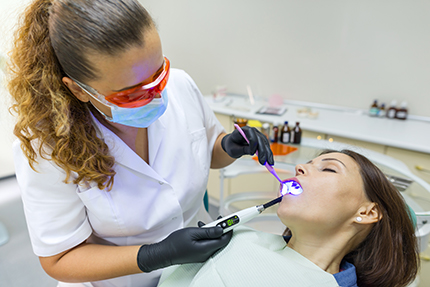
Safety begins long before you arrive. During your consultation we’ll review your full medical history, current medications, allergies, and any previous reactions to sedatives. Honest disclosure is essential: certain conditions or drugs can change which sedation method is safest. Based on this assessment we’ll provide clear instructions tailored to your needs.
Some forms of sedation have specific preparation rules. IV sedation usually requires an empty stomach for a set number of hours, while oral sedatives must be taken at a prescribed time before your appointment. You’ll receive written and verbal instructions about fasting, medications, and what to bring on the day of treatment so there are no surprises.
Transportation and aftercare are also important considerations. For oral or IV sedation, plan for an adult escort who can drive you home and stay with you as you recover. We’ll explain any temporary activity or diet restrictions and provide contact information if questions or concerns arise following your procedure.
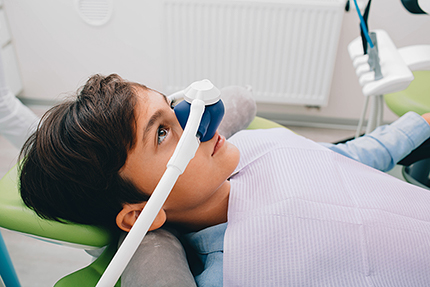
Recovery varies with the type and depth of sedation used. Nitrous oxide wears off quickly and patients often resume normal activities the same day. Oral and IV sedatives can produce lingering drowsiness and mild cognitive effects for several hours. We provide clear guidance on what to expect and how to manage common side effects such as grogginess or dry mouth.
Because memory of the procedure may be limited, caregivers often find it helpful to receive post-treatment instructions in writing. We’ll outline wound care, pain management strategies, dietary suggestions, and signs to watch for that would warrant a follow-up call. If prescriptions are needed, we’ll coordinate them before you leave so you have everything required for a smooth recovery.
Follow-up appointments allow us to monitor healing, address questions, and continue any necessary treatment. Our team takes a measured approach to scheduling so that subsequent visits are timely and cause minimal disruption. If you have concerns about how you felt during or after the procedure, let us know—adjustments can be made for future visits to improve comfort and safety.
Sedation dentistry can transform a stressful visit into a manageable, even positive, experience. If anxiety, sensitivity, or medical needs have kept you from getting the dental care you deserve, our team can help you understand safe options and prepare for a comfortable appointment. Texas Super Smiles for Kids is committed to patient-focused, compassionate care—please contact us for more information about sedation and how it might help your family.

Sedation dentistry uses medication to help patients relax during dental procedures. It can range from minimal relaxation to deeper levels of sedation depending on the technique and medication used. Sedation is used alongside local anesthesia so patients do not feel pain while the dental team performs necessary treatment.
This approach reduces anxiety, limits memory of the procedure for some patients, and can allow multiple treatments to be completed comfortably in a single visit. Sedation can also help patients who have a strong gag reflex or difficulty sitting still tolerate care. Treatment plans are tailored so each patient's level of sedation matches their needs and medical history.
Candidates include patients with significant dental anxiety or phobia, children or adults with special needs, and anyone who has difficulty tolerating routine care due to a strong gag reflex or sensitivity. It is also an option for people who require extensive dental work and prefer to have more treatment completed in fewer visits. A thorough evaluation helps determine whether sedation is appropriate for an individual.
Age, medical history, current medications, and the complexity of the procedure are all considered when determining candidacy for sedation dentistry. Patients with certain medical conditions may need additional clearance or a modified sedation plan. The dental team discusses risks and benefits and recommends the safest option for each patient.
Common conscious sedation options used in dental offices include inhalation sedation with nitrous oxide, oral sedation with prescribed medications, and IV sedation administered intravenously. Nitrous oxide provides mild relaxation and wears off quickly, oral sedation produces a deeper state of calm that varies by medication, and IV sedation offers rapid onset and easily adjustable levels of sedation. General anesthesia, which produces a deep sleep-like state, is reserved for complex cases and is provided in an appropriate medical setting.
The choice among these methods depends on the patient's anxiety level, medical history, and the extent of the dental work required. Conscious sedation typically allows patients to maintain their own airway and respond to verbal commands, while general anesthesia involves loss of consciousness and requires airway management by an anesthesiologist. Your dentist will explain which method is best and why it is recommended for your care.
Before any sedation appointment you will receive specific preoperative instructions tailored to the type of sedation chosen. At Texas Super Smiles for Kids, our team reviews your medical history, current medications, and any allergies and will tell you whether you should fast, temporarily stop certain medications, or make other preparations. You will also be asked to arrange for a responsible adult to drive you home if your sedation requires an escort.
Follow all instructions precisely, including any guidelines about eating, drinking, or taking routine medications on the day of your appointment. Bring a list of your current medications, recent medical records if applicable, and any questions you want to review with the dental team. Arriving on time allows the staff to complete a final check and ensure monitoring equipment is set up properly.
On the day of treatment the dental team reviews your medical history and starts monitoring vital signs such as blood pressure, heart rate, and oxygen levels. For conscious sedation you will remain breathing on your own and may respond to verbal cues, while deeper levels of sedation are adjusted as needed to keep you comfortable. Local anesthetic is still used at the treatment site so you do not feel pain even if you are relaxed or drowsy.
Throughout the procedure the clinician continuously monitors your comfort and safety and can modify the sedative level as the work progresses. Many patients report that treatment seems to pass quickly or that they have little memory of the details afterward. The team will explain any intraoperative observations and confirm the plan for recovery before you leave.
Recovery varies by the type and depth of sedation, but most patients need time to rest until the sedative effects diminish. For nitrous oxide the effects wear off rapidly and patients are often alert within minutes, while oral and IV sedation may cause drowsiness for several hours. You should have a responsible adult accompany you home and remain with you until you are stable and able to follow simple instructions.
Aftercare instructions typically include avoiding driving, operating machinery, or making important decisions for the remainder of the day and possibly longer depending on the medication used. Stay hydrated, eat lightly if advised, and take only the medications the dental team authorizes. If you experience unexpected symptoms such as prolonged drowsiness, breathing difficulty, uncontrolled nausea, or severe pain, contact the dental office or seek immediate medical attention.
When provided by trained professionals and preceded by a thorough medical evaluation, sedation dentistry is a safe and effective way to manage anxiety and improve patient comfort. Modern monitoring equipment and established protocols help detect and address changes in a patient's status promptly. The dental team discusses risks, benefits, and alternatives so you can give informed consent before proceeding.
Certain health conditions or medications can increase the risk of complications, which is why candidacy and the appropriate level of sedation are determined on an individual basis. Providers follow strict safety standards, including fasting guidelines, medication review, and continuous monitoring during the procedure. If general anesthesia is recommended, it is administered by an anesthesiologist in an appropriate setting to ensure the highest level of safety.
Yes. Conditions such as uncontrolled high blood pressure, sleep apnea, severe heart or lung disease, and certain metabolic disorders can influence sedation choices and require special precautions. Prescription medications, over-the-counter drugs, herbal supplements, and substances such as alcohol can interact with sedative agents and alter their effects. It is essential to disclose all medications and medical history so the dental team can plan a safe sedation strategy.
In some cases, the dentist may ask for medical clearance from your primary care physician or a specialist before proceeding with sedation. Temporary adjustments to medication schedules may be advised to reduce the risk of interactions, and alternative sedation methods may be selected to accommodate your health needs. Clear communication between you, your physician, and the dental team improves outcomes and safety.
Communication depends on the level of sedation. Under mild to moderate conscious sedation, most patients remain able to hear and respond to simple verbal commands while feeling calm and drowsy. With deeper sedation or general anesthesia patients will not be responsive during treatment and will require recovery time before communication is reliable.
The dental team explains how you will be monitored and what to expect regarding responsiveness before the procedure begins, and they will check for your ability to follow directions as sedation is administered. If maintaining communication is important for a specific procedure, your provider will choose a sedation method that allows appropriate interaction. Safety and clear signaling between patient and clinician remain priorities throughout care.
To arrange sedation, start by scheduling a consultation so the dentist can review your dental needs, medical history, and anxiety level and recommend the most appropriate option. During the consult the team explains the sedation plan, preoperative instructions, and arrangements for monitoring and escort requirements. When general anesthesia is indicated, the practice coordinates care with a board-certified anesthesiologist to provide treatment in the appropriate setting.
On the day of the procedure follow the provided instructions closely, bring any requested medical information, and arrive with a responsible adult if an escort is required. The office staff monitors your condition throughout the appointment and provides written aftercare guidance to support a safe recovery. If you have any concerns before or after treatment the team at Texas Super Smiles for Kids can answer questions and advise on next steps.